Residential Care vs Assisted Living: What’s The Difference?
Choosing the right type of care for yourself or a loved one can feel overwhelming. With so many options available, understanding the differences between them is often one of the biggest challenges families face.
Both residential care and assisted living can provide safe, supportive and fulfilling environments, but they offer different levels of independence and support. The best choice often comes down to personal preference, lifestyle, budget and the amount of care needed now and in the future.
This guide explains the differences between residential care and assisted living to help you make a decision that feels right for you and your family.
What Services Do Residential Care Homes Provide?
Residential care homes provide personalised support for people who can no longer comfortably or safely live at home. Every resident receives a personalised care plan, with compassionate and highly trained staff available 24 hours a day to provide reassurance and support whenever it is needed.
Supporting Independence in a Care Home
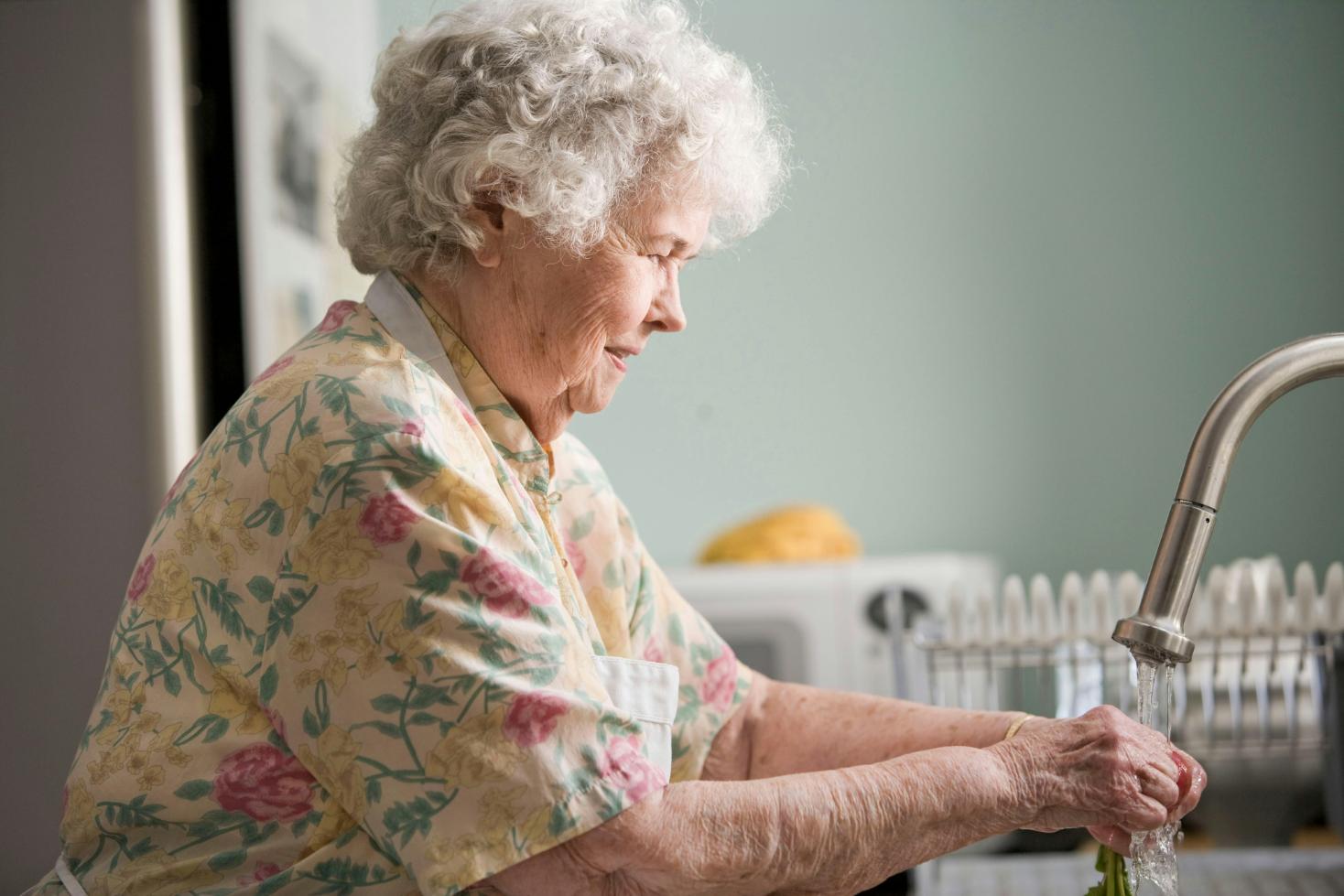
Personal care is tailored to each individual's needs and preferences. This may include help with washing, dressing, using the bathroom, mobility and eating. Importantly, care teams encourage residents to remain as independent as possible, only stepping in when support is needed or requested. This respectful approach helps preserve dignity.
Living in a residential care home also removes the pressures of everyday household responsibilities. Residents no longer need to worry about cooking, cleaning, laundry or maintaining a home and garden, allowing them to focus on enjoying daily life. Where required, care teams can also support residents with medication administration and monitoring.
Mealtimes are another important part of daily life. Fresh, nutritious meals prepared by in-house chefs can be tailored to personal tastes, preferences and dietary requirements, with varied menus designed to remain enjoyable and interesting.
Residential care homes are designed to provide a safe and supportive environment. Purpose-built spaces often include accessible layouts, wide corridors, plenty of natural light, comfortable seating and dementia-friendly design features that promote confidence and independence.
Staying Social
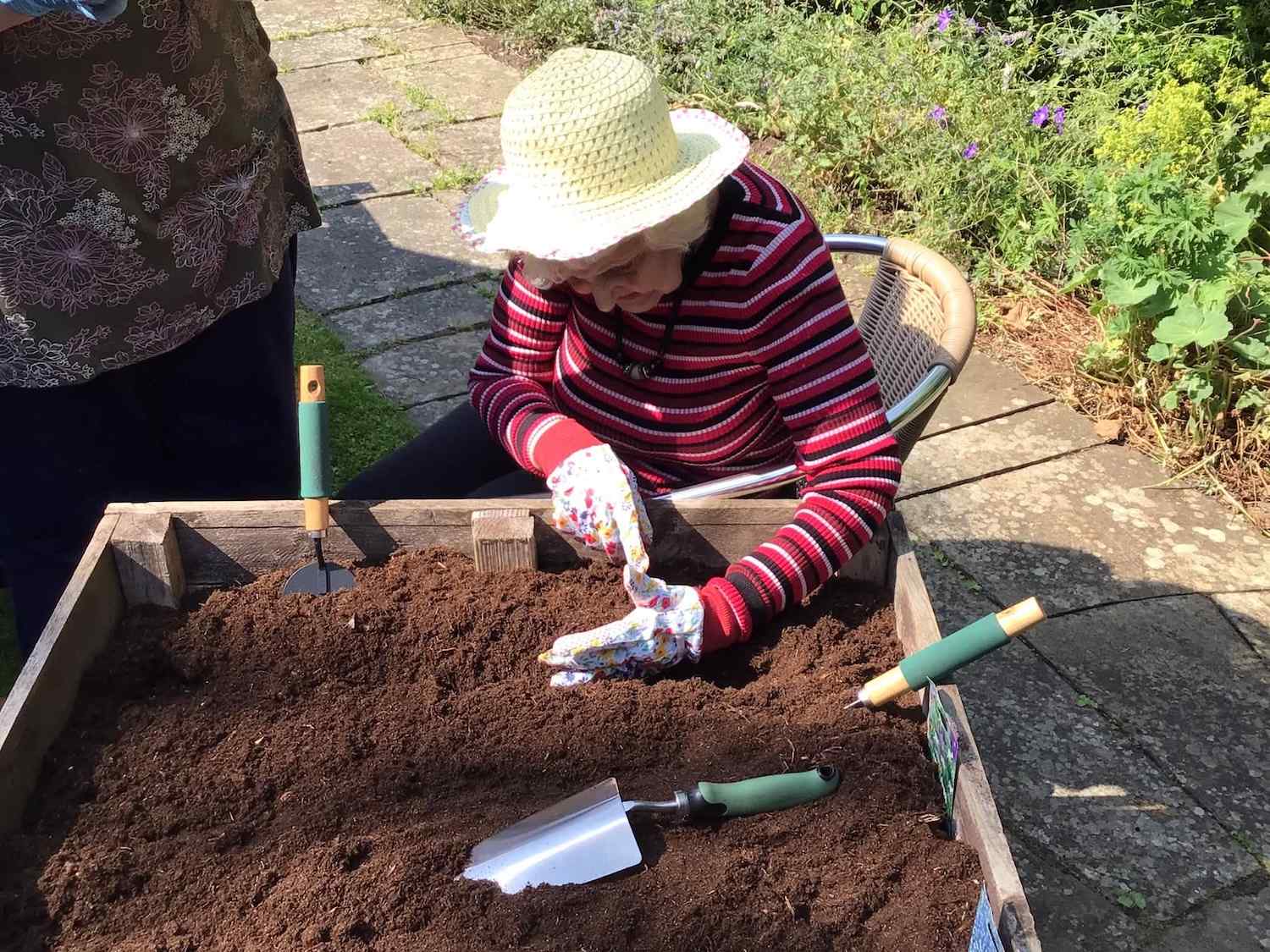
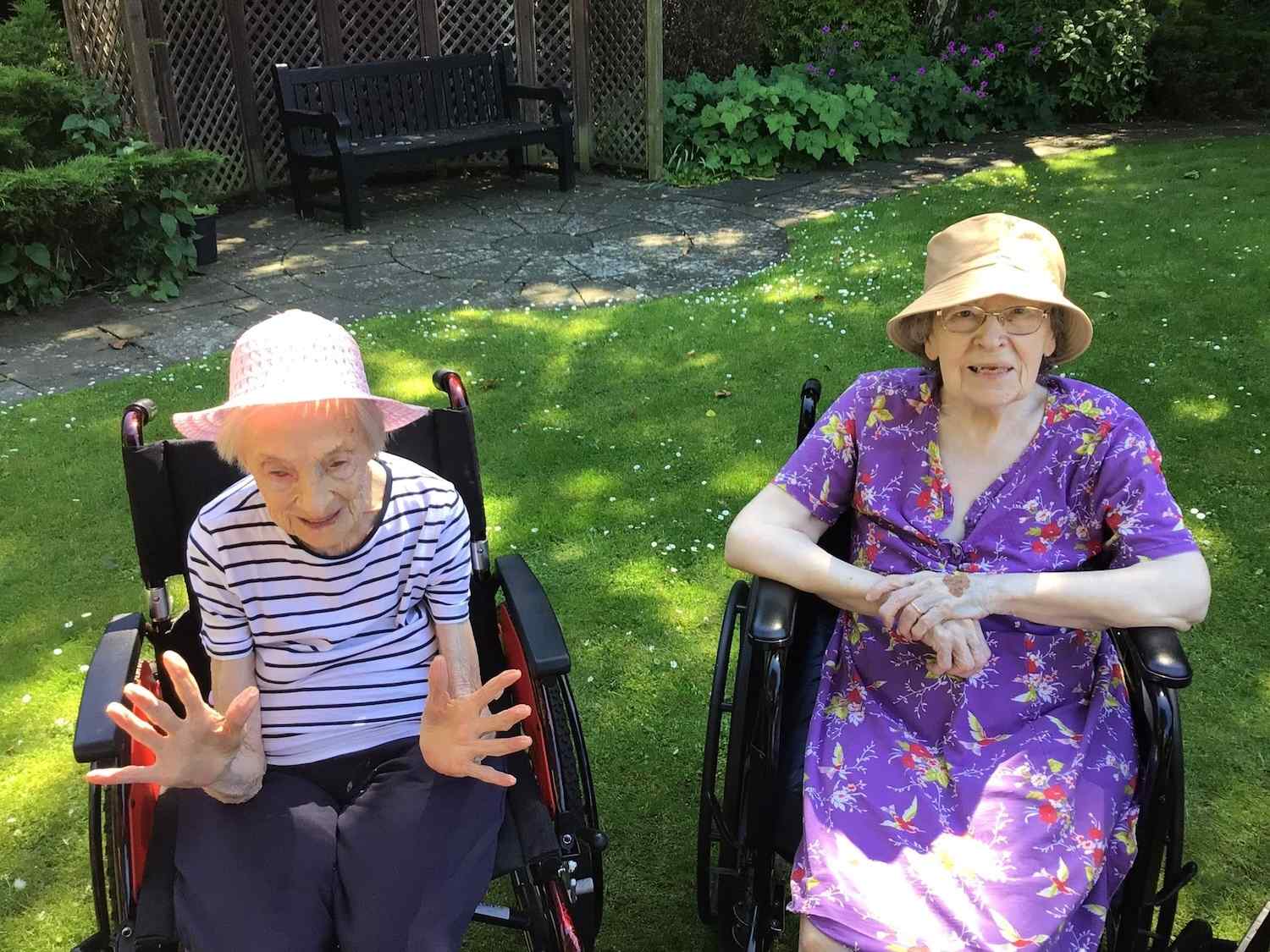
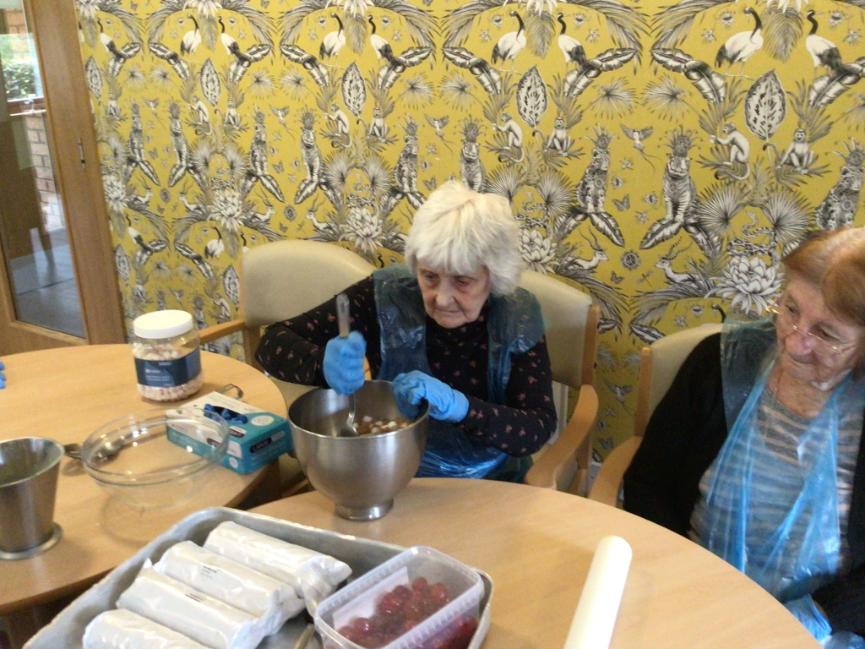
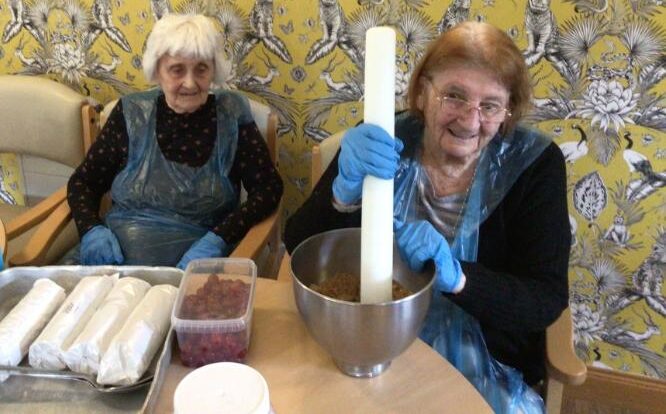
Many people find the social environment of a care home particularly valuable. Living alongside others and having regular opportunities for conversation and companionship can help reduce feelings of loneliness and isolation. Activities also play an important role in supporting physical and mental wellbeing. These may include seated exercise classes, arts and crafts, gardening, book clubs and, for people living with dementia, reminiscence activities designed to encourage engagement and connection.
Dual-Registered Care Homes
Many care homes offer a range of care services under one roof, including residential care, nursing care, dementia care, palliative care and short-term respite care. This continuity of care can provide significant reassurance, as residents may be able to remain in the familiar surroundings they call home even if their care needs change over time.

Residential Care vs Assisted Living
What Is Assisted Living?
Assisted living, sometimes referred to as supported living or extra care housing, offers people the opportunity to live in their own apartment or flat while having support available when needed.
For many people, assisted living provides a convenient option when downsizing from a family home and reducing the responsibilities that come with maintaining a property and garden. These apartments are often purpose-built or adapted to support accessibility and independent living.
Residents continue to manage many aspects of their own lives while accessing support with certain daily activities. This might include help with dressing, getting up and going to bed, alongside practical support with tasks such as cleaning and laundry.
Assisted living can be particularly appealing for people who wish to continue living independently in their own private space. Most apartments include their own kitchen facilities, although some communities also offer restaurants or communal dining options.
Many assisted living communities provide shared spaces and organised activities, helping residents socialise with neighbours who may be in similar circumstances. However, these activities are often on a smaller scale than those found in residential care homes.
Assisted living communities may be operated by private providers, housing associations or local authorities, depending on the location and type of service.
The Downsides of Assisted Living
While assisted living offers many benefits, it may not be suitable for everyone.
Some assisted living communities are larger and can feel less personal than smaller residential care homes with close-knit communities.
Because residents continue to maintain their own accommodation, assisted living can sometimes be more expensive than residential care despite providing a lower level of support. Costs may include property ownership, rent, service charges, communal facilities, council tax and household utility bills.
Assisted living is also generally not suitable for people who require nursing care or more advanced dementia support. Additionally, unlike residential care homes that offer respite stays, it can be more difficult to experience assisted living on a trial basis before making a longer-term commitment.
The Differences Between a Care Home and Assisted Living
The biggest difference between residential care and assisted living is the level of support available.
Residential care is designed for people who are no longer able to live independently at home. Highly trained care teams are available around the clock to provide personalised support that is tailored to each person's needs, preferences, routines and goals. Because staff spend significant time with residents and their families, they are often able to build strong relationships and provide truly person-centred care.
Care homes also provide structured support with daily routines, helping residents feel safe, comfortable and confident throughout the day. In Scotland, care homes are regulated and inspected by the Care Inspectorate, helping ensure high standards of care and safety.
There is also a common misconception that moving into a care home means giving up independence. In reality, maintaining independence is often a key priority. Personalised care plans ensure that support is only provided when needed, allowing residents to continue doing as much as they comfortably can for themselves. For many people, simply knowing support is available provides the confidence to remain active and independent.
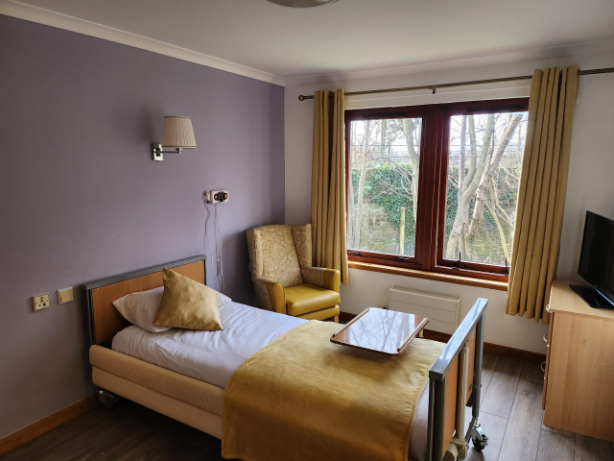
Residents are also encouraged to personalise their bedrooms with familiar furniture, photographs and personal belongings, helping create a space that truly feels like home.
Choosing the Best Type of Care For You
If you or a loved one are considering care options, it can be helpful to think carefully about the type of lifestyle and support that would feel most comfortable. The right choice depends on several factors, including the level of support required, how much independence is desired, personal preferences and budget.
If safety, help with daily routines, regular activities and access to 24-hour support are important priorities, residential care may be the most suitable option. If maintaining complete independence is the main priority and only occasional support is required, assisted living may provide the right balance of privacy and reassurance.
Ultimately, the best care choice is the one that helps you feel safe, supported and able to enjoy everyday life.
Residential Care in Edinburgh
At Struan Lodge, we understand that choosing care is one of the most important decisions a family can make. Our close-knit, welcoming care home in Edinburgh provides exceptional residential care within a warm and supportive community where residents are treated as individuals and encouraged to live life their way. Our experienced and compassionate team provides personalised care and support 24 hours a day, while always promoting dignity, independence and choice.
Alongside residential care, we also provide nursing care, dementia care, palliative care and respite care, offering continuity and peace of mind should care needs change in the future. Whether someone joins us for a short stay or makes Struan Lodge their permanent home, our focus remains the same: providing compassionate, personalised care in a place where people feel safe and valued.